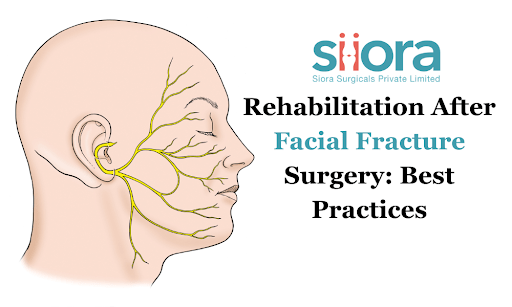
Facial fractures can affect various areas like the jaw, cheekbones, eye sockets, and forehead. Post-surgery rehabilitation is essential for restoring natural functions like chewing, speaking, and facial expressions, along with emotional well-being.
Initial Post-Surgery Care
Rest and Swelling Control
The first few days after surgery are critical. Swelling is common and should be managed through:
- Cold compresses
- Anti-inflammatory medication
- Keeping the head elevated while resting
These steps reduce discomfort and support faster healing.
Managing Pain and Discomfort
Your surgeon may prescribe pain relievers and other medications to minimize discomfort. It’s important to follow the medication schedule strictly to avoid unnecessary pain or complications.
Nutrition and Diet
Soft and Liquid Diet
Since jaw movement might be restricted, patients should consume:
- Smoothies
- Soups and broths
- Mashed or pureed foods
Avoiding hard, chewy, or crunchy items helps protect the healing bones and maxillofacial implants.
Nutritional Support
Eating nutrient-rich foods ensures the body has the resources it needs to heal properly. Protein, vitamins (especially C and D), and calcium-rich meals support bone regeneration.
Oral and Wound Hygiene
Gentle Cleaning Practices
Maintaining oral hygiene is critical, especially with internal sutures or implants:
- Use antibacterial mouth rinses
- Follow your surgeon’s instructions for gentle brushing
- Avoid disturbing any incisions or sutures
Infection Prevention
Be alert for signs of infection such as increased swelling, redness, discharge, or fever, and report them to your doctor immediately.
Facial Exercises and Physical Therapy
Physiotherapy for Function Restoration
A facial physiotherapist may recommend exercises to:
- Regain jaw mobility
- Restore muscle strength
- Improve coordination in facial movements
Consistency with these exercises greatly improves outcomes.
Emotional and Psychological Recovery
Rebuilding Confidence
Facial injuries can affect how we see ourselves. Emotional support can improve physical healing and boost confidence:
- Speak with a counselor or therapist
- Join support groups
- Engage in activities that help boost self-esteem
Follow-Up and Long-Term Care
Regular Checkups
Attend all follow-up appointments to monitor:
- Healing progress
- Stability of implants
- Early signs of complications
Communicating Concerns
Don’t ignore any new or lingering symptoms. Early intervention can prevent long-term issues.
Patience and Persistence
Healing is a personal process that varies for everyone. Following medical advice, practicing patience, and taking consistent care will lead to a smoother, more successful recovery.
Final Thoughts
Rehabilitation after facial fracture surgery is a holistic journey. By integrating medical care, proper nutrition, physical therapy, hygiene, and emotional support, patients can confidently look forward to a full recovery, both in health and in spirit.
If you are looking to become a trustworthy orthopedic implant distributor in USA, contact Siora Surgicals Pvt. Ltd., a renowned name in the orthopedic implant industry.
 trauma implants manufacturers